










 culinary tours
A Culinary Journey Through Regions and Traditions
History & society
Bulgarian cuisine is simple, honest, and deeply connected to the land. It reflects centuries of history, diverse influences, and a strong respect for seasonal ingredients. From dishes that have stayed since Ottoman times (like kyufte, kebabche, gyuvech) to meals typical only for a particular city or region (like the kapama, which is a traditional recipe from Bansko), each meal has its own story. Food in Bulgaria is not just nourishment—it is a social ritual, a cultural expression, and a way of preserving identity.
Ingredients & special occasions
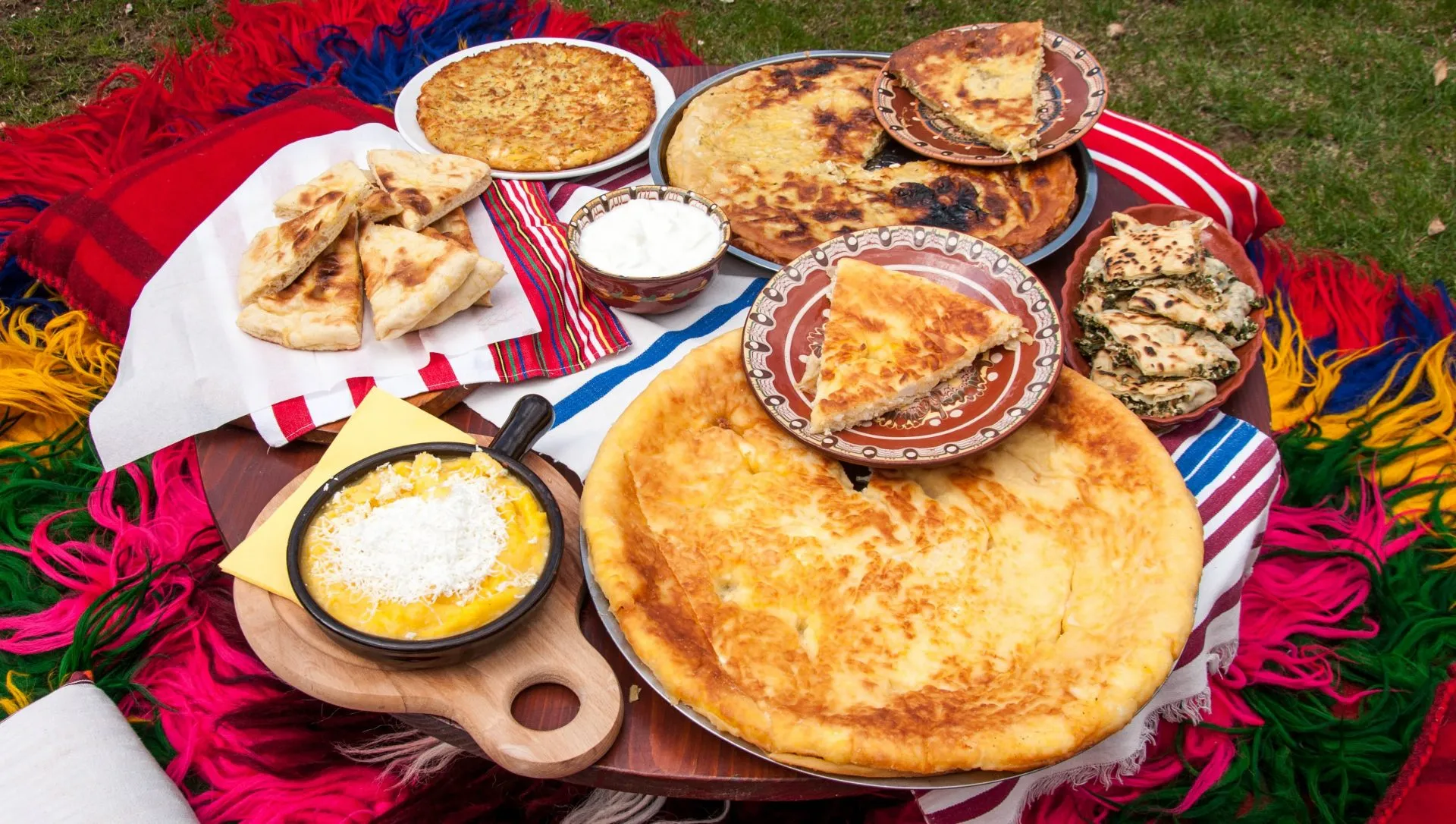
At its core, Bulgarian cooking relies on fresh produce, dairy products, herbs, and slow-prepared dishes. Recipes include many different spices, like garlic (present almost in every dish), thyme, savory, bay leaf, and the so called sharena sol or multicolored salt that contains a special blend of spices. Meals are often shared, generous, and meant to be enjoyed without rush. Recipes are passed down through families, and many dishes are tied to specific seasons or celebrations, such as Christmas Eve, Easter, St George's Day and St Nicholas' Day.
Local flavor & characteristics
Regional diversity plays a key role in shaping Bulgarian flavors. Mountain areas traditionally focus on dairy, meats, and warming dishes, while plains and valleys emphasize vegetables, grains, and herbs. For example, in the Rhodope Mountains typical dishes include patatnik (a baked potato dish), cheverme (roasted lamb on a spit) or beans cooked in dozens of different ways. Coastal influences bring lighter meals and seafood, while inland regions preserve older, more rustic cooking styles. Despite these differences, Bulgarian cuisine remains unified by its balance and simplicity.
Eating according to the seasons
Seasonality is essential. Spring and summer bring fresh vegetables, herbs, and lighter meals, while autumn and winter favor preserved foods, slow cooking, and richer flavors. Homemade preserves, pickled vegetables, and fermented products are common and reflect a long tradition of preparing for colder months.
Hospitality
Food culture in Bulgaria is strongly tied to hospitality. Guests are welcomed with abundant tables, and meals are rarely eaten alone. Conversations flow around food, and sharing is a natural part of the experience. This social aspect makes Bulgarian cuisine feel warm and personal, even to first-time visitors.
Traditions and celebrations often revolve around food. Certain dishes are prepared for holidays, family gatherings, and seasonal milestones. These moments reinforce the connection between cuisine, memory, and community. Food becomes a way of telling stories—about family, region, and history. We invite you to come along with us on this journey!


